

Are you searching for the perfect warehouses to rent in the UK this year? With an ever-growing market and countless factors to consider, finding the right warehouse can be a daunting task. Fret not! We’ve got you covered with a comprehensive guide to help you navigate through the process and make an informed decision. Let’s dive in!
Key Takeaways
- Finding the perfect warehouse to rent is achievable with help from a commercial property agent.
- Consider size, location, budget constraints and type of industrial unit when selecting your warehouse.
- Negotiate favorable lease terms & prioritize security features for a successful rental experience.
Finding the Perfect Warehouse to Rent

A perfect warehouse is like a well-fitted suit – it should cater to your specific business needs while offering room for growth. To find the right fit, you need to consider three main aspects: size requirements, location, and budget constraints. Assessing your business needs and prioritizing these factors sets you on the path to discovering the suitable warehouse to rent with flexible lease terms.
Remember that you don’t have to go through this journey alone. You can always contact a commercial property agent to help you find the ideal warehouse that meets your specific requirements.
Size Requirements
The size of the warehouse you need largely depends on the type of business you have and its storage needs. But don’t just think about your current needs – consider your future growth and expansion plans as well. This foresight will ensure you’re not left scrambling for extra space down the road.
Securing a warehouse that suits your unique size requirements, whether large or small, is of paramount importance.
Location Considerations
Location is the lifeblood of efficient supply chain management. A well-located warehouse can significantly impact your operational costs, delivery times, and legal compliance. When evaluating potential locations, consider:
- Easy access to major motorways
- Transportation hubs
- City centers
- Ports or airports depending on your business needs
Using a mapa gisrael map can help you visualize the location better, especially buildings in the south west region of town.
For instance, Earlsway Trade Park, Unit 7 is conveniently close to the A1 and easily accessible from London. Thames Court, Enterprise Park, located in Yaxley, Peterborough, PE7 3GU, offers a range of warehouse and industrial units for rent in a well-planned development. Considering these factors is key to ensuring your warehouse location integrates flawlessly with your supply chain, whether it’s a business park in the west end or other parts of London.
Budget Constraints
Budget constraints play a significant role in determining the warehouse you can rent. When searching for a warehouse, consider not only the rent, but also utilities and maintenance costs. For example, the annual rent for Unit 19G Follingsby Park is £178,000, while the lease cost of Earlsway Trade Park, Unit 7 is £29,500 per year. The yearly rent for units in Thames Court, Enterprise Park is £23,500.
Maintenance costs can include expenses such as repairs, cleaning, and pest control. Taking these costs into account will better equip you to find a warehouse that aligns with your budget.
Types of Industrial Units Available
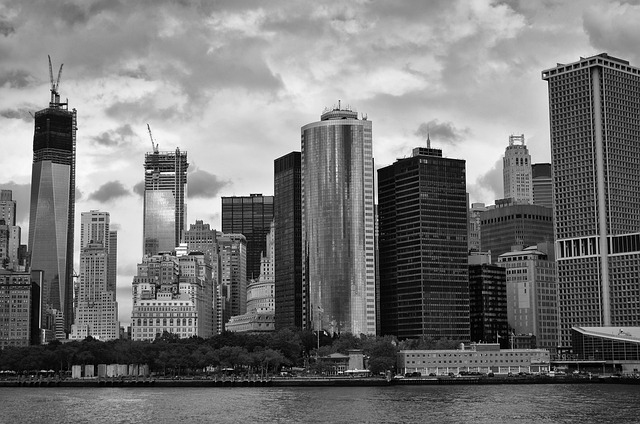
There are various types of industrial units available to cater to different business operations. The three main categories are manufacturing facilities, distribution centers, and mixed-use units. Grasping the differences between these types of industrial units, can aid you in selecting the one that most closely matches your business needs.
Remember that all industrial estate properties typically fall under Class B. The different classes for the industrial estate properties are:
- Class B2: General industrial properties
- Class B3: Mining and quarrying properties
- Class B4: Chemical properties
- Class B5: Metal properties
- Class B6: Acid properties
- Class B7: Oil or animal product related properties
Manufacturing Facilities
Manufacturing facilities are designed to accommodate production and assembly processes. They often feature large open spaces, lighting and heavy-duty infrastructure to support the manufacturing process.
A variety of manufacturing facilities are available to rent, such as industrial units, ready-built factories, and temporary industrial facilities suitable for compressed air, power, nitrogen, steam, and liquid handling, all designed to suit different needs and industries. These facilities also come with specialized equipment and machinery depending on the industry.
To secure a manufacturing facility, initiate contact by scouting the perfect property, follow up with the contact for lease term negotiations, and confirm all legal and regulatory requirements are met. Working with a commercial property agent can make this process smoother.
Distribution Centers
Distribution centers are ideal for businesses focused on logistics and shipping. They provide easy access to transportation networks and ample storage space to manage the flow of goods efficiently.
You can rent various types of distribution centers, such as fulfillment centers, basic warehouses, and repurposed warehouses for your distribution needs. For example, Konnect62 Distribution. Park offers flat/level hard standing open storage plots and loading possibilities located across from the Knottingley and Goole Canals. Its strategic location in the UK provides excellent access to transportation networks and ample storage space availability.
Mixed-Use Units
Mixed-use units offer the best of both worlds by combining office, warehouse, and production spaces. They provide flexibility suitable for businesses with diverse operational needs, allowing you to:
- Adjust your space according to shifting requirements
- Maximize efficiency by having multiple functions in one location
- Save on costs by eliminating the need for separate facilities
These units come in various forms, such as residential buildings like homes, flats, and apartments, as well as commercial units like shops, gyms, and offices. Mixed-use units not only give businesses the ability to adapt to changing needs, but also the potential to save money by combining different kinds of spaces.
When renting a mixed-use unit, consider factors such as size, layout, location, lease terms, and security and safety features.
Lease Terms and Flexibility

Lease terms and flexibility are important factors when renting a warehouse. Traditionally, warehouse leases last between 3 and 5 years. However, depending on your situation, shorter or longer leases can be negotiated. It’s vital to evaluate your business needs and opt for the lease term that is most beneficial for your circumstances.
Committing to a longer lease term often allows you to lock in lower rent costs, thus offering stability for your business. However, short-term leases offer flexibility and are ideal for businesses with changing needs or uncertain futures. Weigh the pros and cons of each lease type to determine which one suits your business best.
Short-Term Leases
Short-term leases are perfect for businesses that need them.
- Flexibility and adaptability
- The ability to respond to changing market conditions
- The ability to scale up or down as needed
- Easy relocation if necessary
While short-term leases offer many benefits, they also come with some drawbacks. For instance, you may not have full control over the property, may have limited options for making changes, and could face higher costs if you decide to extend the lease.
Be sure to carefully consider the advantages and disadvantages of short-term leases before making a decision.
Long-Term Leases
Long-term leases on warehouses, typically ranging from 3 to 5 years, provide stability for businesses and often come with lower rent costs. These leases allow you to customize the warehouse to your specific needs, better budget for rent expenses, and negotiate favorable terms.
However, long-term leases also have their downsides. Some disadvantages include:
- Breaking the lease can be difficult if your business needs to relocate or scale back.
- You might need to make a significant initial payment.
- The rent rate may not adjust with the market.
Carefully weigh the benefits and drawbacks of long-term leases before making a decision.
Negotiating Lease Terms
Negotiating favorable lease terms can make a significant difference in the success of your warehouse rental experience. Some aspects to discuss include:
- Rent-free periods
- Break clauses
- Repairing obligations
- Conducting due diligence
By addressing these factors, you can secure a lease that is beneficial for both you and the landlord.
When negotiating lease terms, knowledge of the local market and the landlord’s needs can be invaluable in getting the best deal possible. Don’t be afraid to ask for concessions or adjustments to the lease terms. Remain open to negotiation, and you might be surprised at the opportunities that arise.
Security and Safety Features
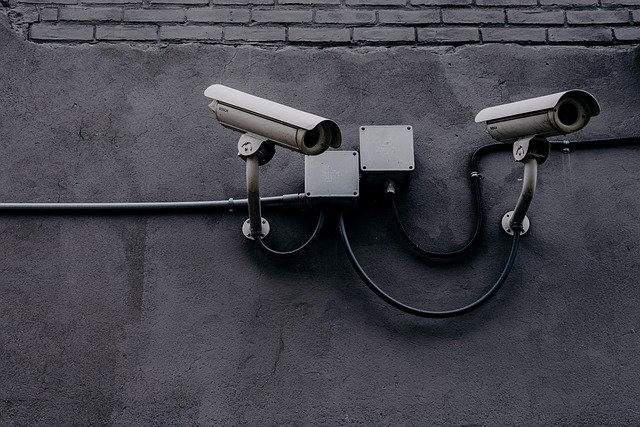
Security and safety features are essential when renting a warehouse. Prioritizing the protection of your inventory and employees is crucial. Look for properties with the following features:
- CCTV
- Access control
- Fire detection
- Secure yards
In addition to these features, when renting a warehouse, you may also have access to:
- Perimeter security
- Security lighting
- Alarm systems
- Safety measures like proper materials storage and manual lifting/handling protocols
These features not only keep your assets safe, but also ensure your warehouse unit meets all necessary regulations.
CCTV and Access Control
CCTV and access control systems play a crucial role in monitoring and restricting access to your warehouse, ensuring the safety of your inventory and employees. These systems offer:
- Increased security
- Round-the-clock monitoring
- Improved safety
- Loss prevention
- Remote monitoring
Various access control systems are available, including:
- Keypads
- Card readers
- Biometric readers
- Facial recognition systems
Implementing effective CCTV and access control systems instills confidence in the security and protection of your warehouse.
Fire Detection and Suppression
Fire detection and suppression systems are vital in protecting your assets and reducing the risk of damage in case of a fire. These systems can include:
- Smoke detectors
- Heat detectors
- Sprinkler systems
- Fire extinguishers
In addition to safeguarding your inventory and employees, fire detection and suppression systems can provide other benefits, such as meeting regulations, reducing insurance costs, and promoting a safe working environment. Equipping your warehouse with appropriate fire detection and suppression systems is a vital component of warehouse rental.
Secure Yard
A secure yard or site provides additional outdoor storage space and helps prevent theft and vandalism. These yards are typically surrounded by a fence or wall for added security and can protect goods and materials from the weather.
Having a secure yard not only provides extra storage space, but also offers peace of mind regarding the safety and availability of your inventory from potential threats. When renting a warehouse, consider whether a secure yard is necessary for your business needs.
Navigating the Warehouse Rental Process
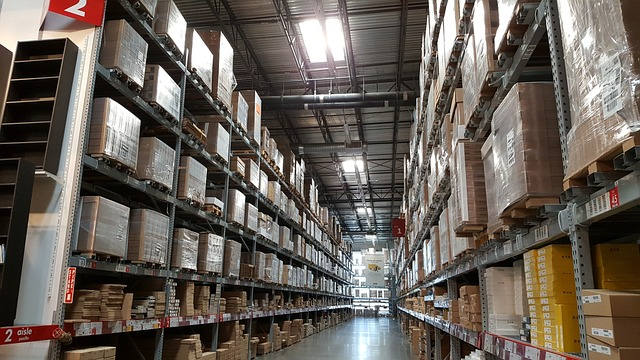
Renting a warehouse involves several steps, from finding the ideal property to ensuring legal and regulatory compliance, and planning the move-in and setup. It can be a complex process, but working with a commercial property agent can help you navigate it more efficiently.
Remember that the warehouse rental process can differ based on the property, location, and your distinct business requirements. Be prepared to invest time and effort into finding the perfect warehouse and completing all necessary steps before moving in.
Working with a Commercial Property Agent
A commercial property agent can be your greatest ally in the warehouse rental process. They can help you find the ideal warehouse, negotiate lease terms, and guide you through the entire process.
Engaging with a commercial property agent brings several benefits, including:
- Their negotiation prowess
- Market insight
- Extensive network
- Time-efficiency
- Valuable advice
By enlisting the help of a commercial property agent, you can ensure a smooth and successful warehouse rental experience.
Legal and Regulatory Compliance

Adhering to legal and regulatory guidelines is vital during the process of renting a warehouse. Make sure you have the necessary permits, licenses, and insurance coverage in place before moving in.
Some of the legal and regulatory requirements you should be aware of when renting a warehouse in the UK include:
- Tenant responsibilities
- Energy performance rating
- Electrical safety
- Signing a lease agreement
By ensuring compliance with these requirements, you can avoid potential legal issues and ensure a seamless rental experience.
Moving In and Setup
Planning and coordinating the move-in and setup process requires careful attention to detail. Consider factors such as utilities, equipment installation, and employee training.
Staying organized and prepared paves the way for a seamless transition into your new warehouse space, laying the groundwork for business success.
Summary
In conclusion, renting a warehouse in the UK requires careful consideration of various factors, such as size, location, budget, lease terms, security, and safety features. By understanding your business needs and working with a commercial property agent, you can navigate through the warehouse rental process with ease. With the right warehouse, your business will be well-equipped to thrive and grow.
Frequently Asked Questions
How much is it to rent a warehouse in the UK?
Renting a warehouse in the UK can range from £500-£1000 per month, depending on its size.
Smaller warehouses typically start to price at around £6-£7 per sq ft and larger ones cost up to £8-£9 per sq ft.
Can I live in my own warehouse?
Unfortunately, you cannot simply live in your warehouse – you’ll need to look into zoning variances as most warehouses are zoned for industrial use and need to be rezoned for residential use.
Zoning variances can be difficult to obtain, so it’s important to research the process and understand the requirements before you begin your application. You may need to hire a lawyer or other professional to help you navigate the application process.
What factors should I consider when looking for the perfect warehouse to rent?
When looking for the perfect warehouse to rent, make sure you consider size requirements, location, and budget constraints to ensure your business needs are met.
Size requirements should be the first factor you consider. Make sure the warehouse is large enough to accommodate your current and future needs. Location is also important. You want to make sure the warehouse is in an area that is easily accessible.
What are the different types of industrial units available for rent?
Renting an industrial unit can mean anything from a manufacturing facility to a distribution center, or even a mixed-use unit.
Whatever your industry development needs may be, there’s likely an industrial development solution available.
What security and safety features should I look for in a warehouse rental?
When looking for a warehouse rental site, make sure it has CCTV, access control, fire detection and secure yards for additional safety and security.
These features are essential for protecting your goods and staff, and will help you to ensure that your business runs smoothly.


